
1. Ulaanbaatar: A Mix of City and Old Ways
What surprised me the most was how much Ulaanbaatar has grown.When I looked around, I saw many tall buildings. But when I looked behind, it was totally different. There were bumpy roads and people living in traditional houses called Gers.
2. Many Things Happened on the 10-Hour Taxi Trip
Hard Time Finding a Bus or Taxi
At first, I planned to go to the city of Dalanzadgad by bus. But I found out the bus does not work every day, and there was no bus on the day I needed to leave. So, I tried to find a taxi instead, but it was very hard to find it!
WIasked many people, but no one knew. One taxi driver said he would take me, but he looked very strange. Honestly, I worried about riding the taxi. After asking a few more people I decided to get one taxi because there were other passengers, which made me feel safe.
Problems on the Way
There is a lot of trouble on the way. Just after 1 hour we left, the car suddenly stopped. The tire was flat. We waited for the car to be fixed, which took about one hour. While we waited, I talked with the local Mongolians. Since they didn’t speak English, we used Google Translate to enjoy talking. I really appreciated the app!
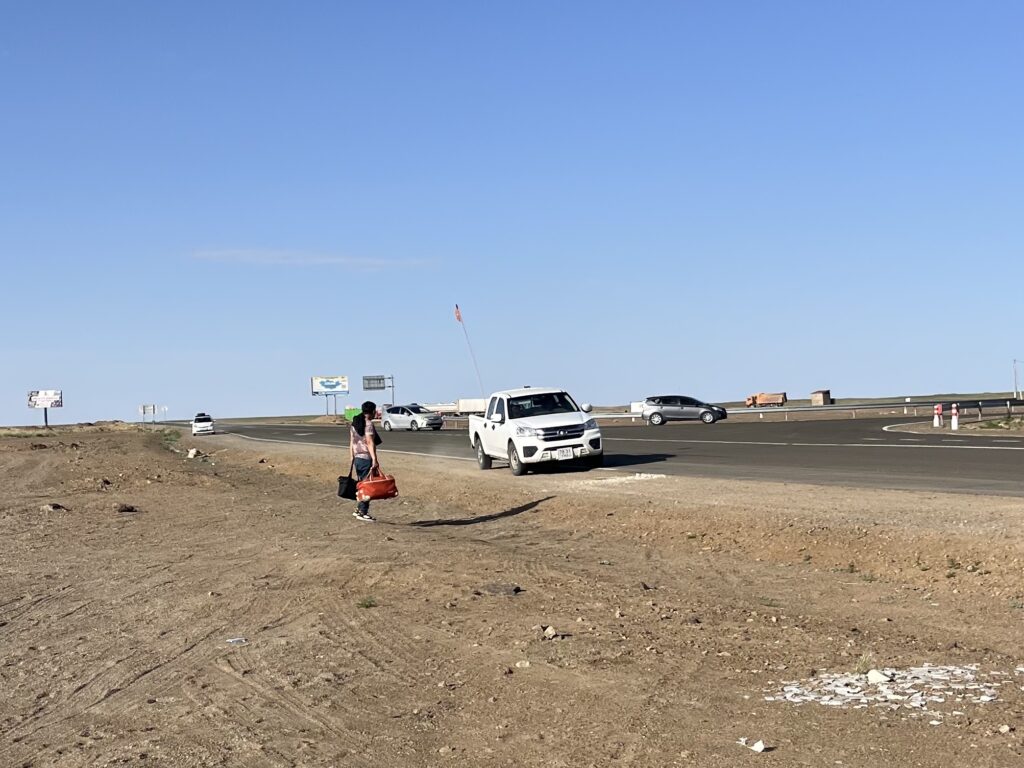
I encountered a second problem. Just before we were almost at the destination, the driver suddenly told us to get out of the car and wait for the next car coming. It’s because only we were going to Dalanzadgad and other passengers were going to other places. We were just left on the side of the load. The scary thing was that we didn’t know the new car’s number or contact information as well. I worried what if no one comes and just stands in big nature. We ended up getting the new car about an hour later.
The View and Meeting Animals
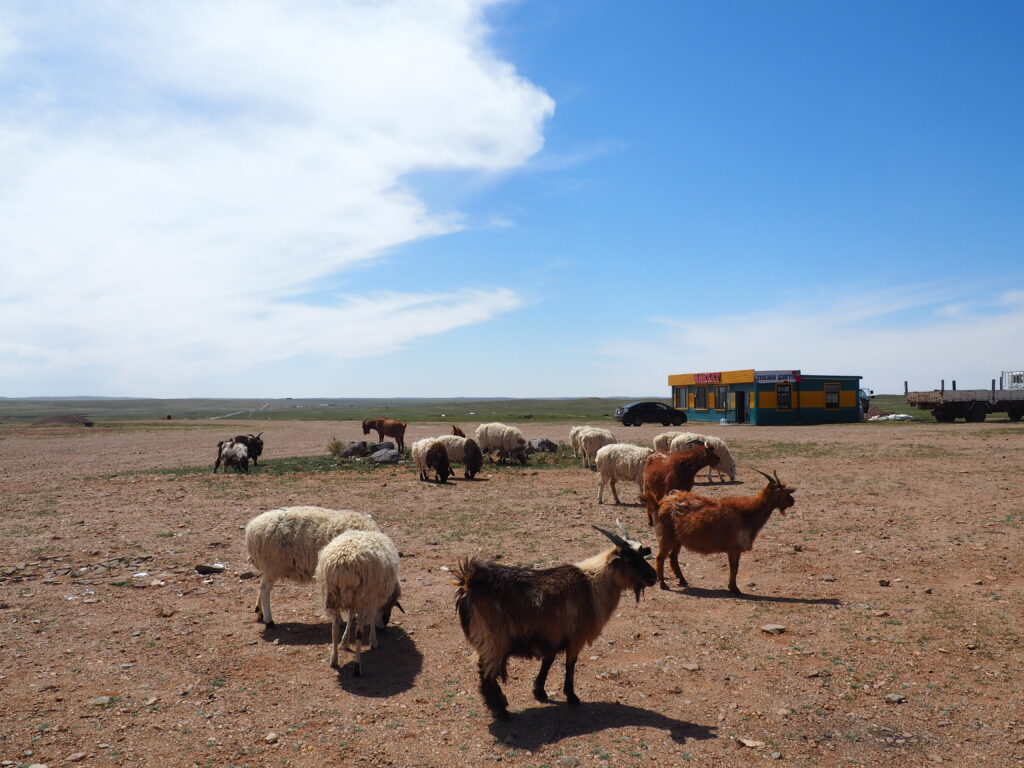
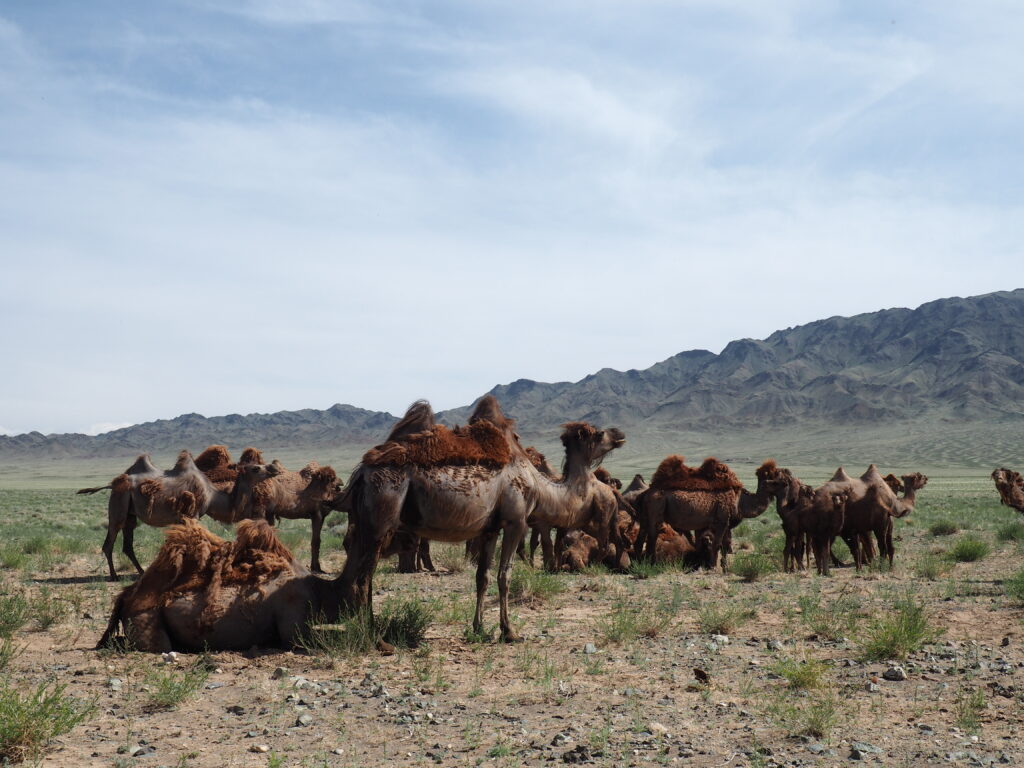
On the way to the destination, we ran into a huge herds of sheep and camels. This made me feel really Mongolia. The memorable thing was that the car was stopped because the road was full of sheep!
3.The Best Part of Mongolia
Seeing the Nomad Life
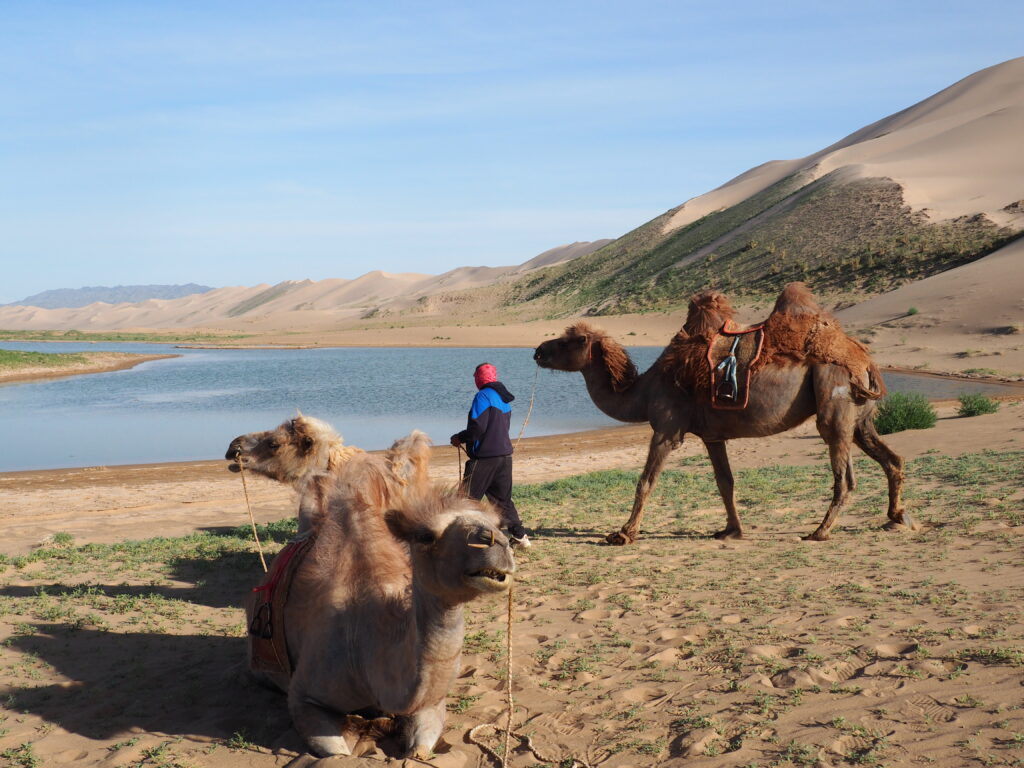
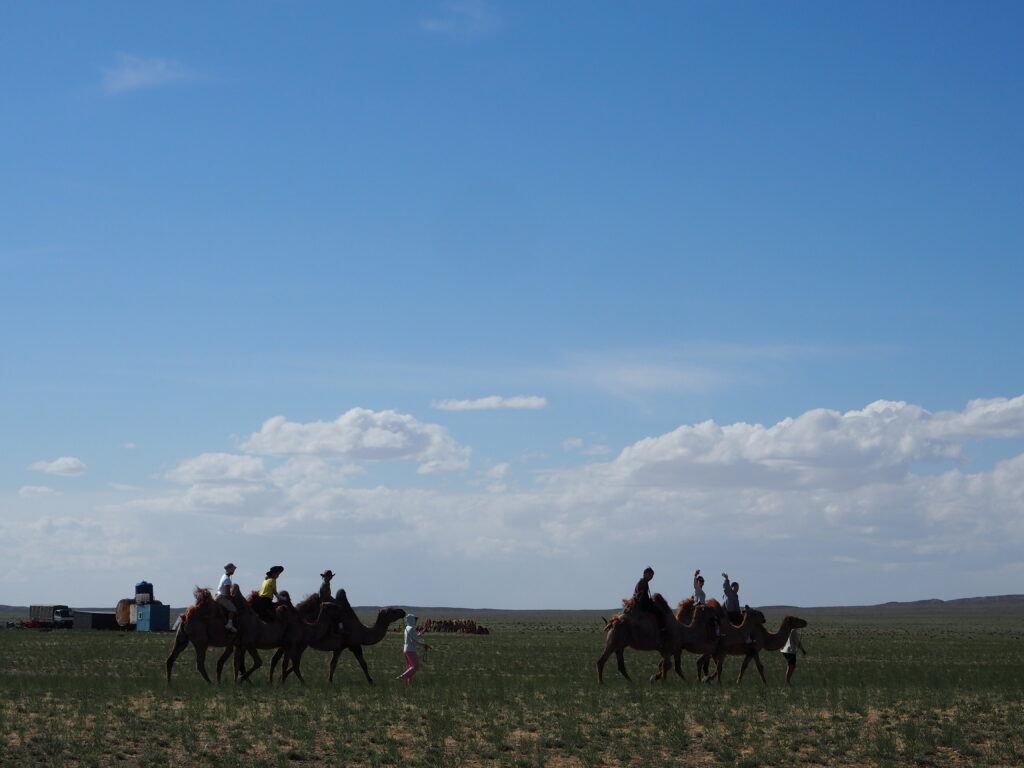
In the Gobi area, I saw Nomad people for the first time in my life. They also have a business which give tourists a chance to ride camels. So I tried it. Riding a camel in the Gobi desert was a memorable experience.
Big Desert and Sleeping in a Ger
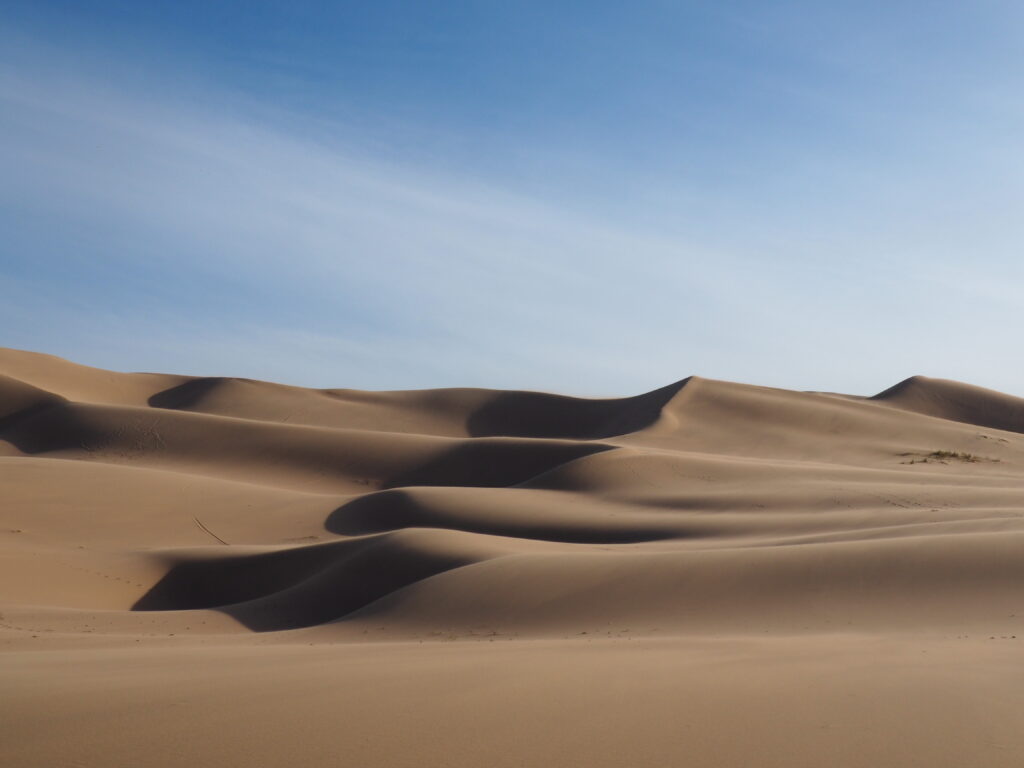
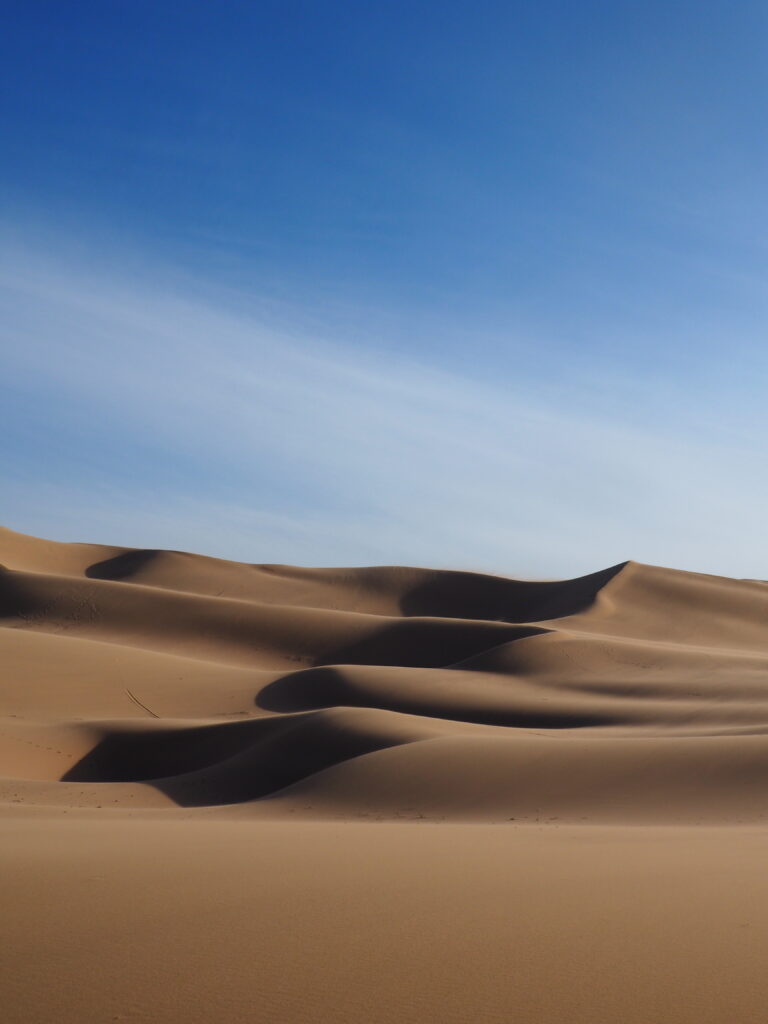
Seeing a big desert was the first time in my life. It made me feel how small my life and my problems are.
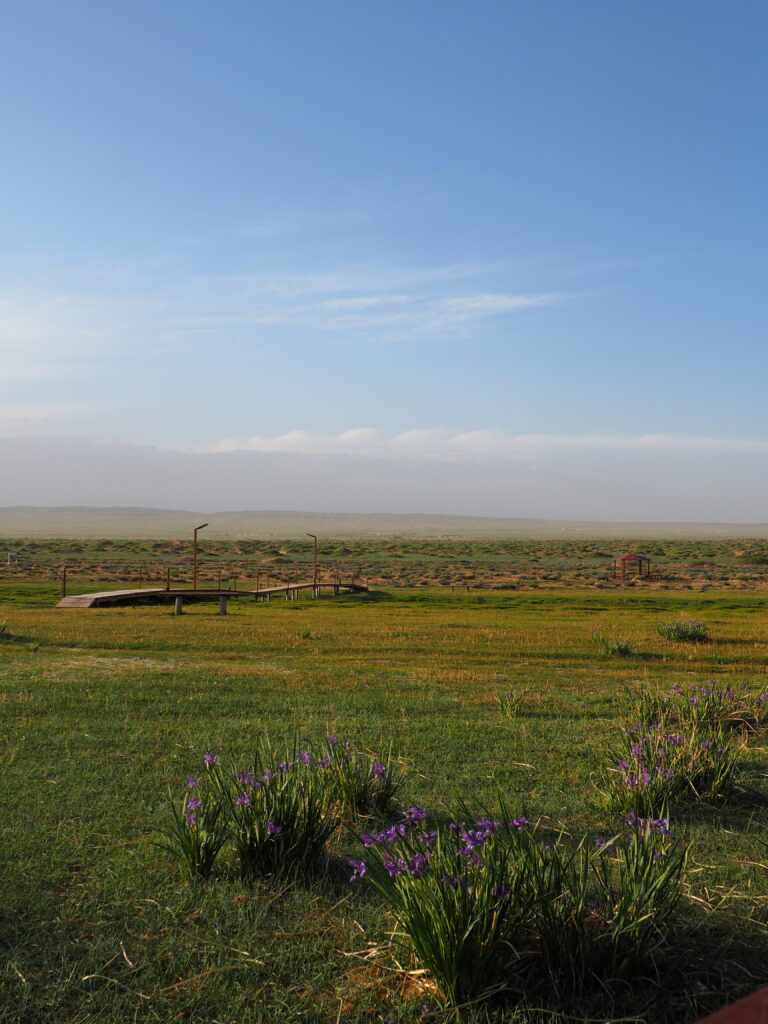
Staying in a Ger (a traditional round house) was also one of the things that I really wanted to do. The Ger was very simple inside, but it was a great experience that I can feel a local culture. One early morning, I looked outside from the Ger and saw camels moving in a long line. It was an unforgettable view that felt unreal for me.
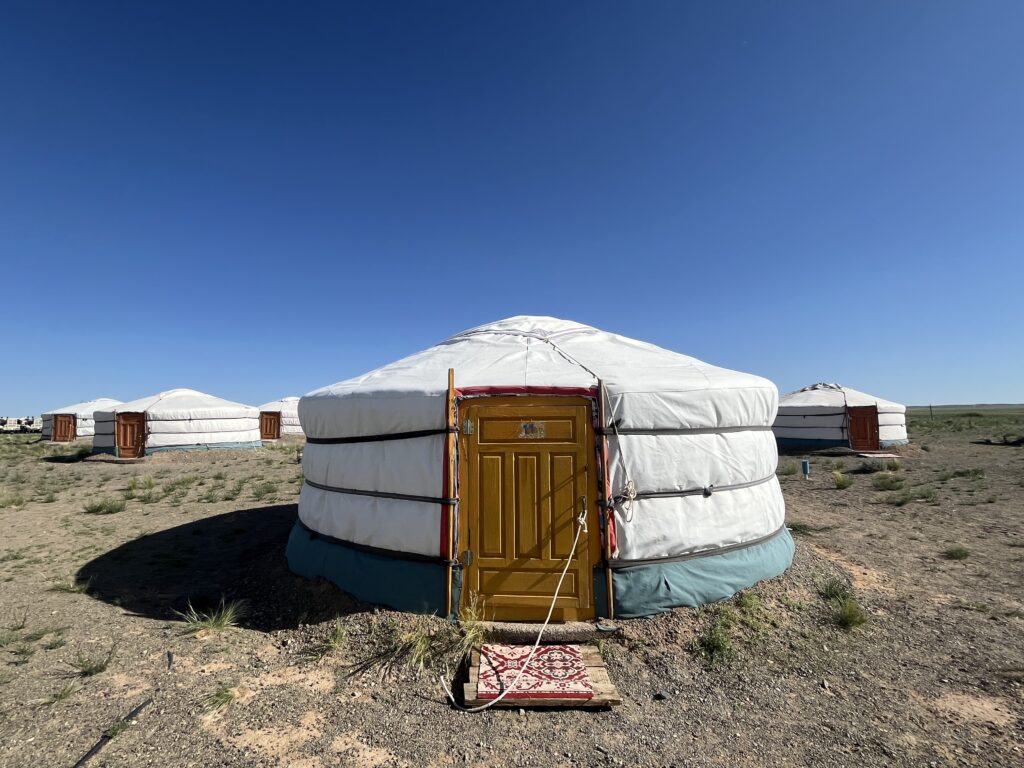
By the way, I saw Gers are sold in the market! I asked about the pricem and a set of Ger costs about $1,400.
4. How to Go to the Gobi Desert
How I Found a Tour
It‘s hard to go to the Gobi Desert by yourself. I asked the owner of the hotel (Ger) where I was staying, and the owner said he ran tours himself. There were no other tour companies around there, so I decided to use his tour. Since there was no competition, it was a bit expensive.
So, when I took a tour in the city, I walked into a local travel office and booked the cheapest tour.
Time Spent with the Tour Guide
The whole trip was about five hours. People who speak English in Mongolia are rare, so I asked the guide many things about Mongolia a lot. He told me about the weather and culture of Mongolia, the Nomads, and the views and mirages we saw while driving.
He taught me a lot about his country. In addition to thestories, he also helped me talk to local people, like asking the price for riding a camel and other communication. Because of him, I learned more about Mongolia, and it was a very good time.
5. Mongolian Food
Lots of Lamb Meat
Every meal was including lamb meat. Soup, noodles, BBQ meat, stew –everything. Every meal tasted like lamb, so I was honestly bored by the fourth day.
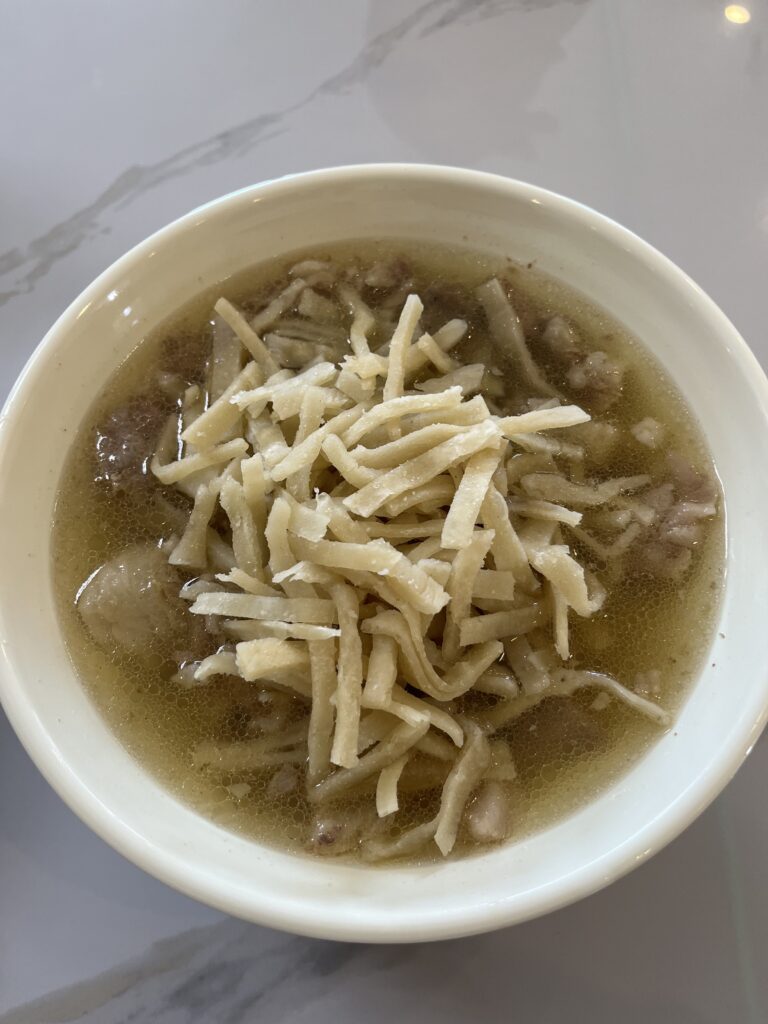
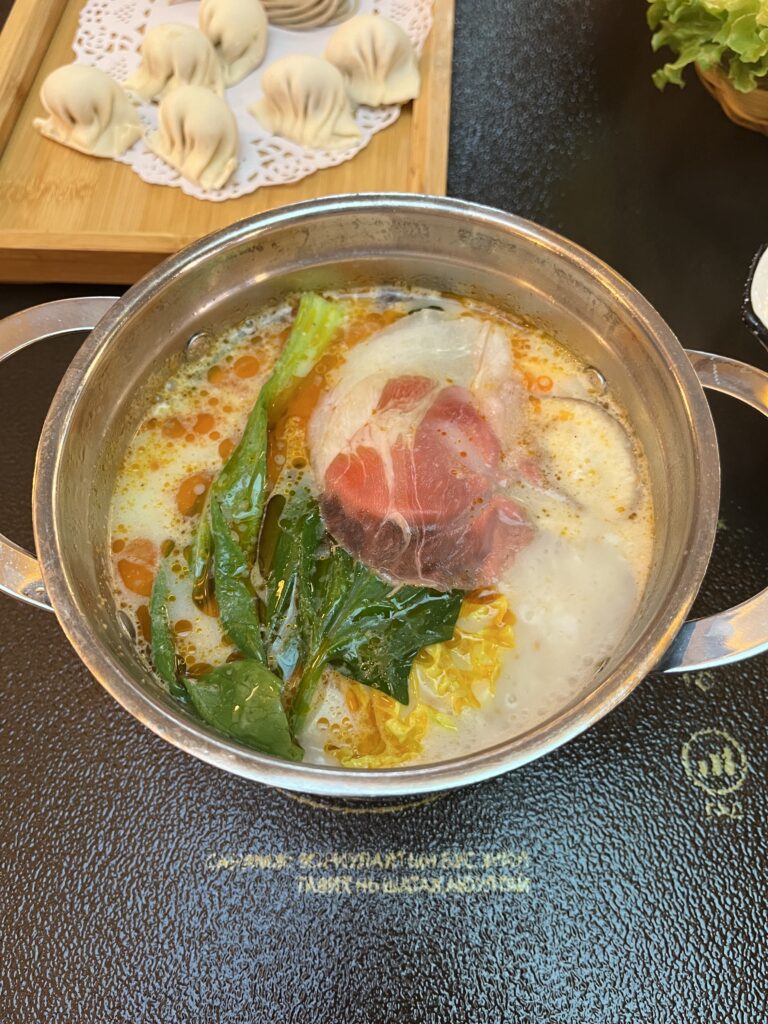
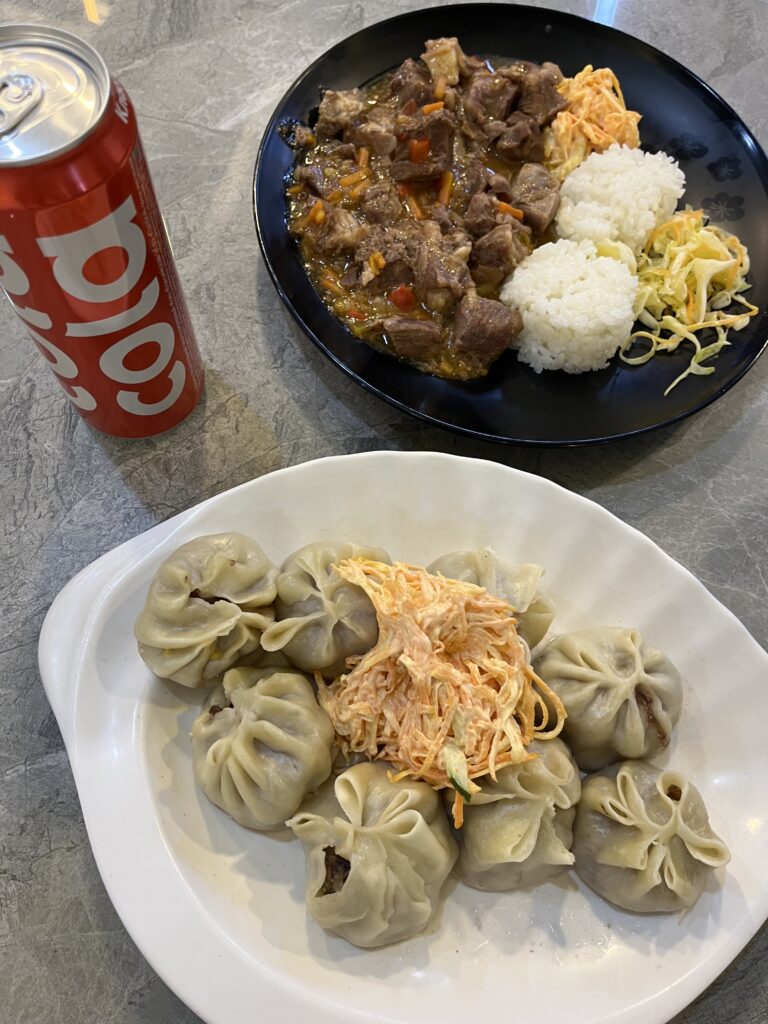
Feeling How Rich Japannese land is
Mongolia has a long history of nomad life. It’s cold and dry, and people raise sheep and goats, so their main foods are meat and milk products. It’s hard to grow vegetables, and to store or move them, too. So vegetables are never used in meals. This made me feel how lucky the food we eat in Japan is, and how rich the land of Japan is.